News
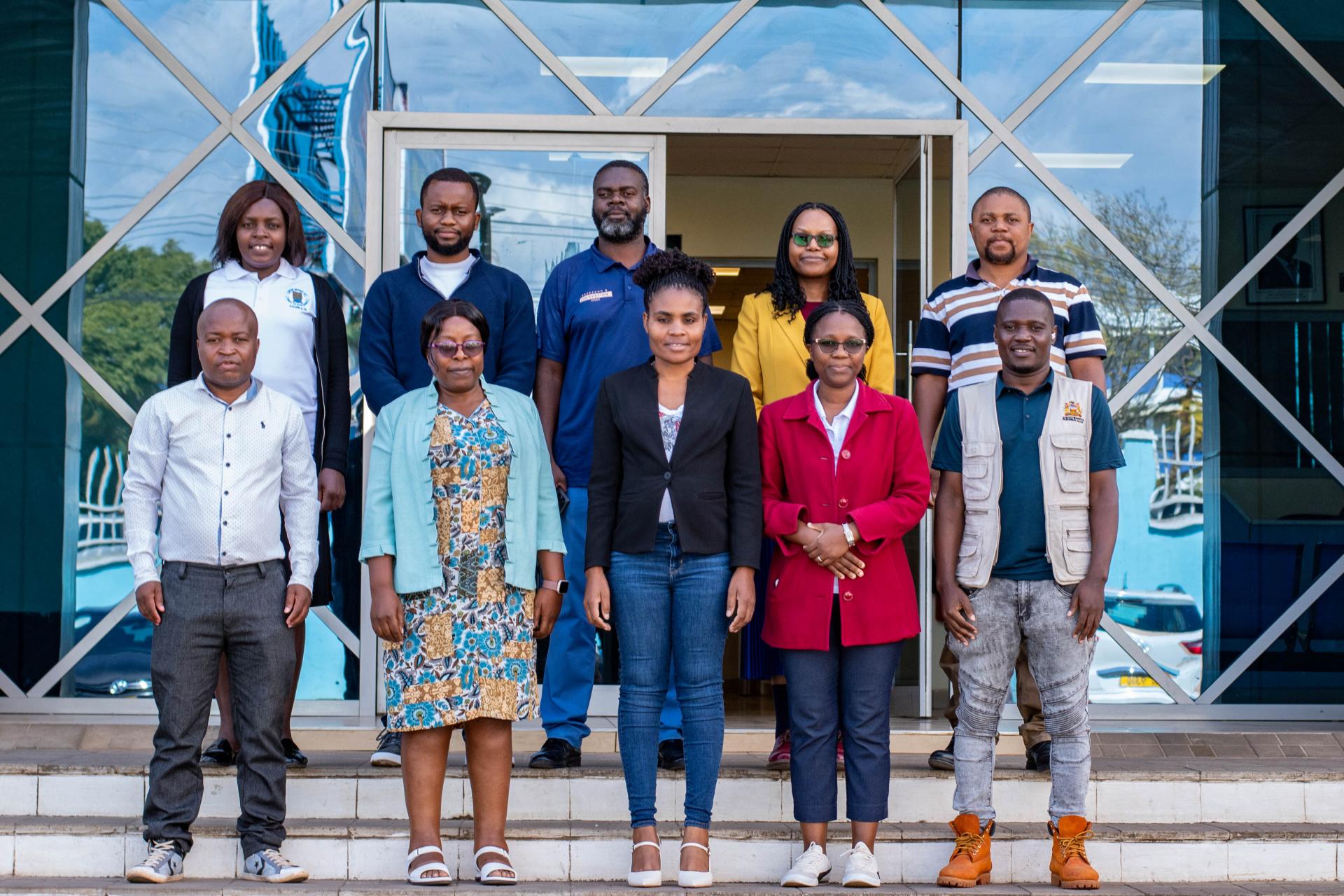
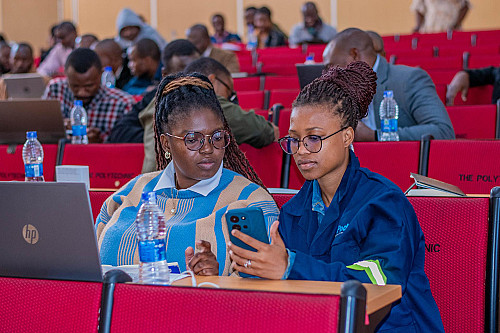
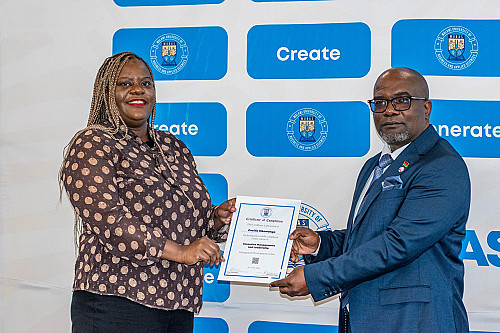
The training, which concluded in Blantyre on June 5, aimed to equip committee members with skills to identify, prevent and address corruption risks within the university.
Speaking at the closing ceremony, Anti-Corruption Bureau (ACB) Principal Corruption Prevention Officer Sam Kambani said higher education institutions have a responsibility to nurture ethical leaders and contribute to the country's anti-corruption efforts. He said universities play a strategic role in shaping future professionals and public servants, making integrity a critical component of their mandate.
Kambani noted that public universities manage substantial public resources and therefore require strong internal mechanisms to prevent corruption and promote transparency.
“As institutions entrusted with public resources, universities must ensure that systems are in place to safeguard those resources and promote ethical conduct,” he said.
Chairperson of the MUBAS Institutional Integrity Committee, Associate Professor Christabel Kambala, said the committee has been implementing awareness programmes among staff and students to strengthen the culture of integrity on campus.
She said the committee will continue supporting the university through anti-corruption sensitisation initiatives and by reviewing reports of suspected corrupt practices.
Kambala added that MUBAS incorporates integrity awareness into orientation programmes for first-year students to help instill values of honesty, responsibility and ethical leadership from the beginning of their academic journey.
The reorientation training was organised to induct new members into the committee following changes in its composition, as some members had left the institution while others had gone abroad for further studies.
The Institutional Integrity Committee is part of broader efforts by the Anti-Corruption Bureau to strengthen corruption prevention systems in public institutions across the country.
Similar Posts





Latest News
All news