News
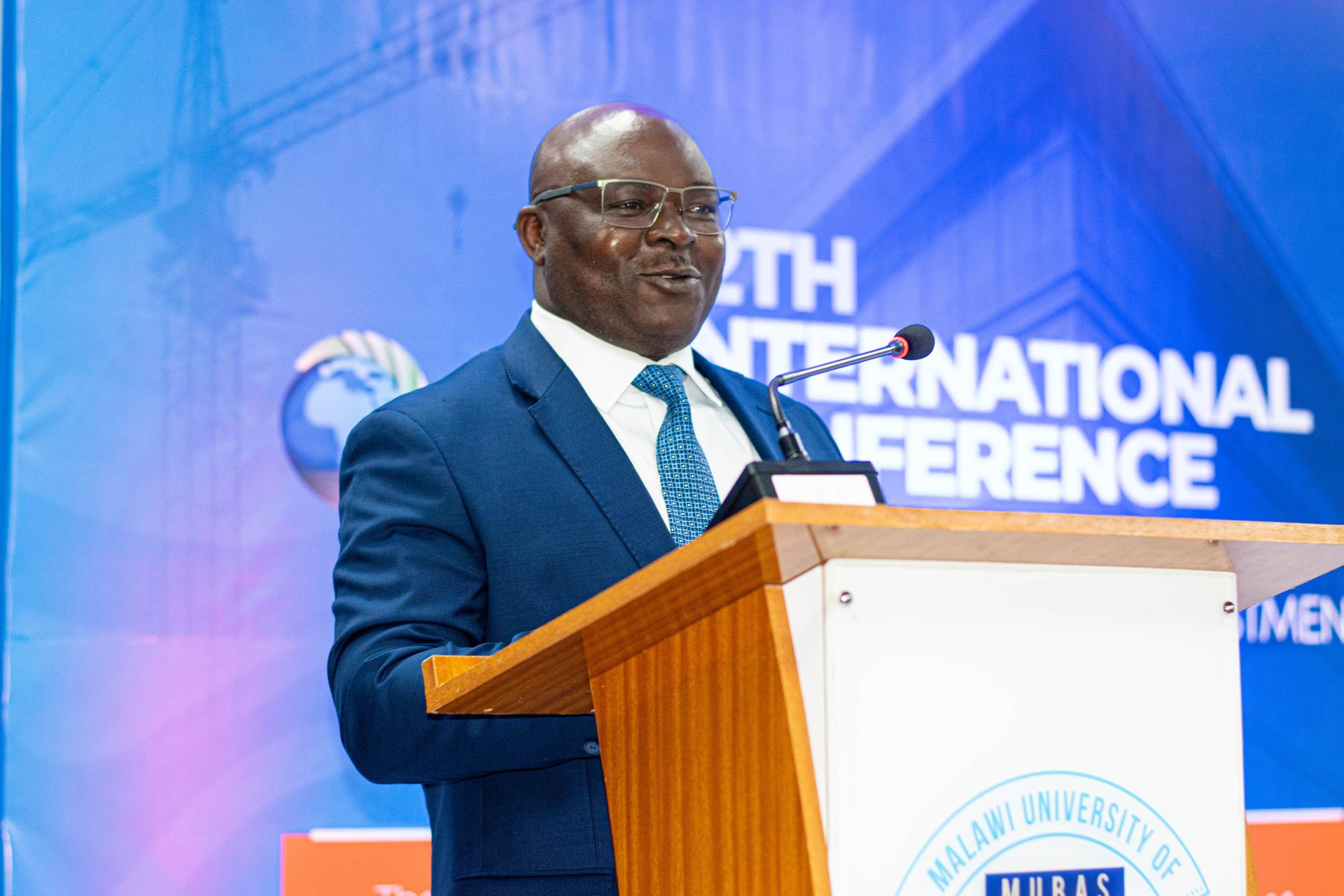
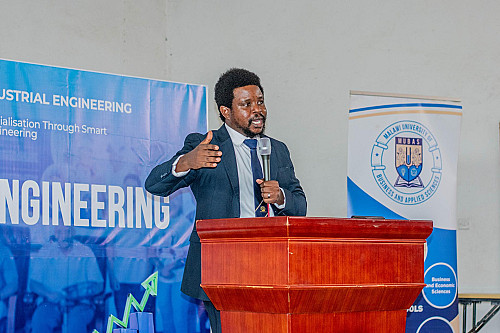
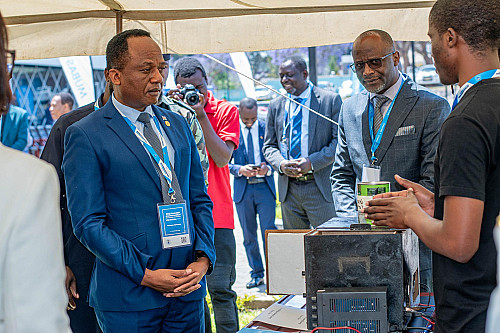
Mhango made the remarks on 11 August , 2026 at Mount Soche in Blantyre during the opening of the 12th International Conference on Infrastructure Development and Investment (DII 2026), which brought together scholars, engineers, policymakers, investors and other stakeholders to discuss the future of infrastructure development in Africa.
Rather than viewing infrastructure simply as roads, bridges and buildings, Mhango challenged delegates to see it as a foundation for poverty reduction, improved public services and economic competitiveness.
“Malawi’s economic transformation depends on the quality, resilience and efficiency of its infrastructure,” he said, stressing that efficient transport networks and reduced logistics costs are essential for improving productivity.
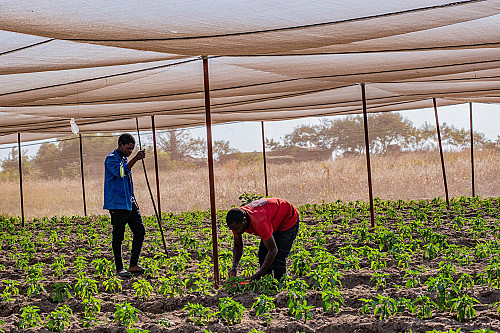
According to Mhango, infrastructure affects almost every sector of the economy. Farmers require reliable roads to access markets, businesses depend on efficient transport systems to reduce operating costs, while communities need buildings and other infrastructure capable of withstanding increasingly unpredictable weather conditions.
“Extreme weather events remind us that infrastructure must be designed not only to meet today’s needs but also to withstand tomorrow’s uncertainties,” he said.
The minister, however, challenged researchers and professionals to ensure that innovations do not remain confined to academic papers and conference halls, but are translated into practical solutions that improve the lives of ordinary people.
Mhango outlined five areas that government wants to prioritize in pursuit of Malawi’s 2063 development aspirations. These include completing existing infrastructure projects; developing climate-resilient roads; integrating road, rail, aviation and marine transport systems; attracting investment through public-private partnerships and other financing models; and improving project delivery through technology, quality control and local skills.
He further acknowledged that government cannot achieve these objectives alone, calling for stronger collaboration between government, academia, industry and development partners.
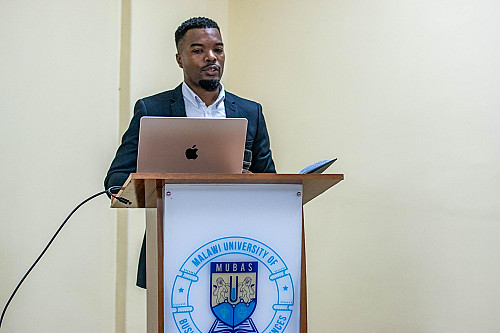
The call was echoed by the Vice Chancellor of the Malawi University of Business and Applied Sciences (MUBAS), Associate Professor Nancy Chitera, who described the conference as critical to Malawi’s 2063 agenda.
Chitera said the gathering provided an opportunity to move beyond discussions about infrastructure and focus on developing infrastructure that is resilient and capable of supporting the country’s long-term development.
She emphasized that infrastructure development requires the involvement of academia, government and other stakeholders, noting that universities have a responsibility to produce knowledge while industry and other partners help translate that knowledge into practice.
“Infrastructure is not only a one-man show; it needs academia, government and different stakeholders putting their findings into practice,” Chitera said.
She also pointed to physical infrastructure, urbanization and decentralization as key areas requiring attention, while stressing the importance of strengthening the relationship between academia and industry, particularly in financing and implementing development initiatives.
The Vice Chancellor further observed that South Africa’s experience in infrastructure development provides lessons that Malawi and other countries can draw from as they seek to strengthen their own infrastructure systems.
Meanwhile, the chairperson of the DII conference series, Professor Innocent Musonda, stressed the importance of African countries recognizing and making better use of their own resources instead of relying heavily on support from outside the continent.
His remarks added another dimension to the conference discussions, with emphasis on the need for African countries to explore their own capacities, resources and partnerships in addressing infrastructure challenges.
The conference provided a platform for stakeholders to examine infrastructure not only as a physical asset, but also as an important driver of economic transformation, resilience and sustainable development.
Beyond the formal discussions, the three-day conference provided delegates with opportunities to network and build relationships. On the evening of Monday 10 August, 2026, participants attended a cocktail party, creating an informal setting for interaction and networking.
And on Tuesday evening , the delegates were treated to a sumptuous gala dinner, which also provided an another platform for interaction and reflection on the discussions held during the event.
The conference concluded on Wednesday, 12 August, 2026 with an excursion tour, which took the participants to some of the historical infrastructure in Blantyre.
DII 2026 was organized by MUBAS in collaboration with the University of Johannesburg, the Centre for Applied Research and Innovation in the Built Environment (CARINBE) and the Africa Sustainable Infrastructure Mobility (ASIM) Programme.
The conference brought together scholars, engineers, policymakers and investors from 9 African countries including Malawi, Nigeria, Tanzania, South Africa, Namibia, Zimbabwe, Lesotho, Ghana and Kenya. The conference also attracted delegates from Russia, Belgium and United Kingdom.
As the conference closed, the message from the discussions remained clear: Malawi’s infrastructure ambitions will require more than construction. They will require resilience, innovation, financing, research and collaboration if the country is to turn its Malawi 2063 aspirations into tangible economic transformation.
Similar Posts

Latest News
All news