News
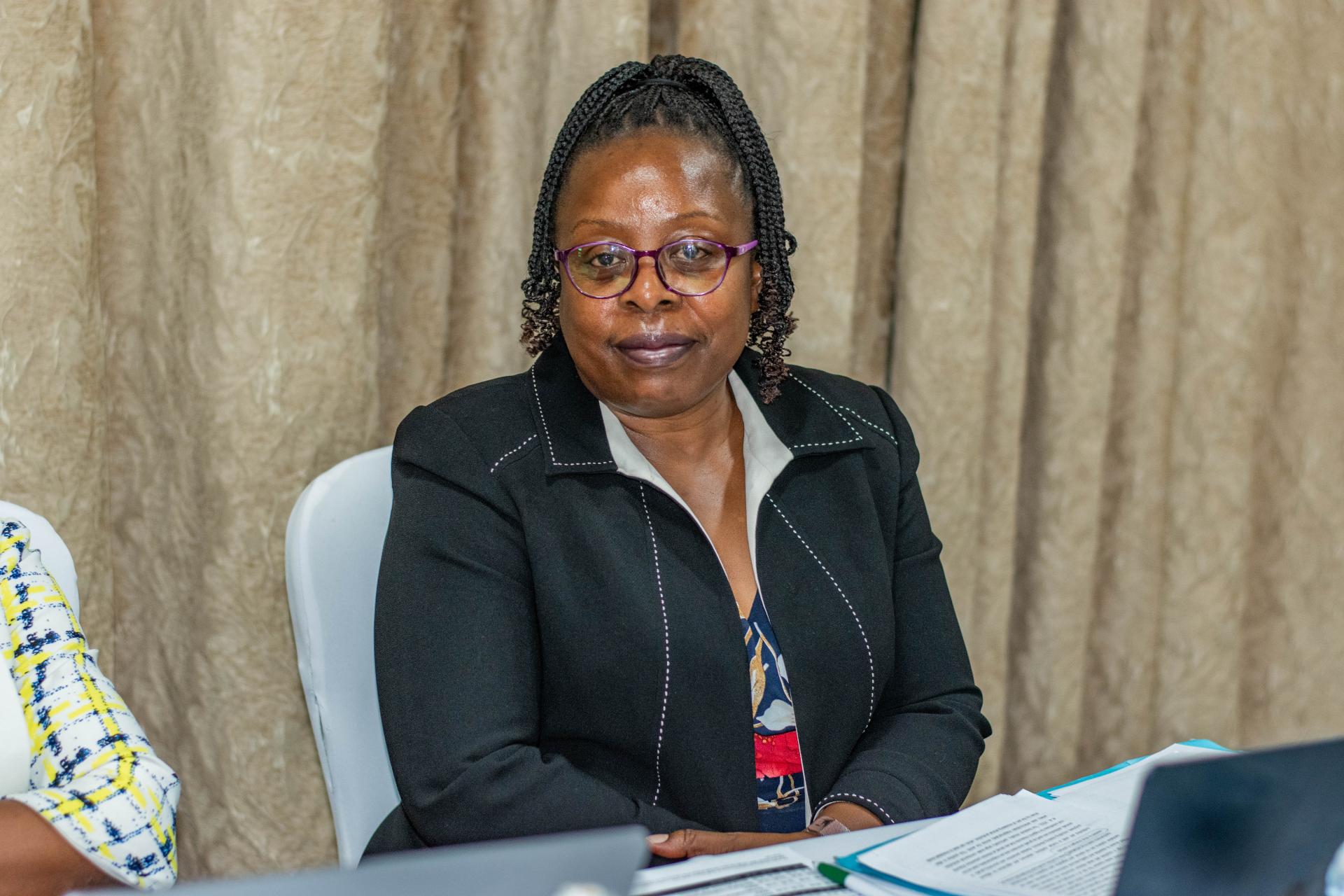
Through Workstream 4 of the Adolescent Health and Well-Being Research Project, MUBAS, under the leadership of Associate Professor Christabel Kambala, is investigating how access to safe water, proper sanitation and good hygiene practices can promote the health, dignity and overall well-being of adolescents.
The university's research focuses on identifying existing WASH challenges and developing practical, sustainable and adolescent-responsive interventions that address the needs of young people.
Speaking on 29 0ctober, 2026 during a stakeholder meeting held at Mount Soche Hotel in Blantyre, Kambala said her team was using a participatory approach involving adolescents, teachers and school communities to identify challenges and develop appropriate solutions.
“Using a participatory approach involving adolescents, teachers and school communities, we are identifying WASH challenges and developing practical solutions. This process has led to the development and testing of a school-based handwashing-with-soap and sanitation intervention through Trials of Improved Practices (TIPs).
“The intervention is now being implemented through a feasibility study to assess its acceptability, practicality and potential for sustainability, while exploring how adolescent-responsive and context-specific approaches can improve sanitation and hygiene practices in schools,” said Kambala.
MUBAS's contribution forms part of a broader research initiative seeking to understand the psychological, sociocultural, socioeconomic, educational, political and geographical factors influencing adolescent health and well-being across rural and urban communities.
Beyond WASH, the research has identified poor communication between guardians and children as one of the factors contributing to psychosocial challenges among young people, including concerns about suicide risk.
Researchers reported that limited opportunities for adolescents to openly discuss issues affecting their lives can leave them feeling undervalued and disrespected, potentially affecting their self-worth, identity and emotional well-being.
The findings were presented during the stakeholder meeting, which brought together researchers, policymakers, civil society representatives and traditional leaders to discuss evidence and interventions that can better support adolescents.
Deputy Director responsible for Health and Nutrition in the Ministry of Education, Science and Technology, Maureen Maguza Tembo, described the research as an eye-opener, saying it would help government adopt new approaches when engaging with school-going children.
“We need to adopt new methods and approaches when engaging with students to allow them to open up and share issues that affect them. We must employ a bottom-up approach because sometimes children fail to open up because of how we approach them,” said Maguza Tembo.
Traditional Authority Pitala of Mchinji District also emphasised the importance of parents, guardians, teachers and other authority figures listening attentively to children's concerns to identify appropriate solutions.
“One time in my village, I had to intervene in a case where a teenager wanted to kill herself simply because she had a misunderstanding with her parents, which is very sad,” said Pitala.
Other factors identified as affecting adolescent psychosocial support include sanitation, nutrition, access to health information, policies and governance systems.
The research recommends giving adolescents opportunities to develop physically, emotionally and cognitively, enabling them to discover their identities and capabilities and make informed decisions.
It also calls for strengthening adolescent-focused spaces such as vocational training centres, youth clubs, health facilities and educational institutions, alongside improving child protection and justice systems to safeguard young people against abuse and exploitation.
Improvements in water, sanitation, health and nutrition services have also been recommended as essential measures for supporting children's education and overall well-being.
The Adolescent Health and Well-Being Research Project is being implemented by MUBAS in collaboration with the Kamuzu University of Health Sciences (KUHeS) and the University of Strathclyde in Scotland, with support from the National Institute for Health and Care Research.
Similar Posts



Latest News
All news